11 November 2026Business4 min read
What makes a business website work?

Someone hears about your business, searches your name and opens your website. They might be comparing options, checking your credibility or looking for a specific product. Before they contact you, your website has a job to do: help them understand whether you are the right choice. A striking homepage can create interest. What happens next depends on the content, structure and experience behind it. Can visitors find what they need? Does the website answer their questions? Is the next step clear?
At Phew Interactive, these questions shape how we approach website design and development. The starting point is understanding the business and the people it wants to reach.
Start with the decision your customer needs to make
Different businesses need their websites to support different decisions. An architecture studio needs to demonstrate its approach and quality of work. An online store needs to help customers compare products and purchase confidently. A business selling complex services may need to explain its process before asking for an enquiry. This purpose should influence the website brief from the beginning. Define the main audience, their likely questions and the action you want them to take. That gives each page a reason to exist and helps avoid a website filled with sections simply because competitors have them.
Give visitors a clear path through your content
A visitor should not need to understand your internal departments to navigate your website. Page names, menus and content groups should reflect how customers think about your offer. For an online store, that might mean useful product categories and clear product descriptions. For a portfolio, it could mean grouping work so potential clients can quickly find relevant examples.
Our e-commerce work for Travel Essentia focused on product presentation, the customer journey and the structure of its online storefront. The brief brought travel essentials into a simple digital shopping experience. It illustrates why organising the offer deserves as much attention as presenting it attractively.
Give visitors a clear path through your content
Your website should feel connected to the brand customers encounter elsewhere.Typography, imagery, colour and tone all contribute to that impression. Their use should also make the content easier to read and understand. For DK Design, Phew’s website work centred on portfolio presentation, project storytelling and visual hierarchy. As an architecture and interior design studio, the business needed space for its work to speak. The digital experience was developed around that context and the brand’s refined character.
Another business might need a more expressive or information-led approach. The right direction comes from the brand, its audience and the material the website needs to communicate.

Answer questions before asking for an enquiry
A visitor considering your business is looking for reasons to trust it. Relevant project examples, clear service descriptions and accurate business information can help them assess your suitability. Useful content explains what you offer, who it is for and what happens next. A case study can show the thinking behind a project. A product page can explain dimensions, materials or suitability. A service page can clarify scope and process.
The goal is to make the next conversation better informed. Broad claims such as “the best solution” do little unless the surrounding content gives people something concrete to evaluate.
Make the next step easy on every screen
Once someone is interested, they need a clear route forward. That could be a product purchase, a booking request or a conversation with your team. The wording should describe the action accurately and appear where it makes sense in the page. The same attention belongs on mobile. Navigation, text, images and forms need to remain usable on a smaller screen. A beautiful desktop layout is only part of the experience.
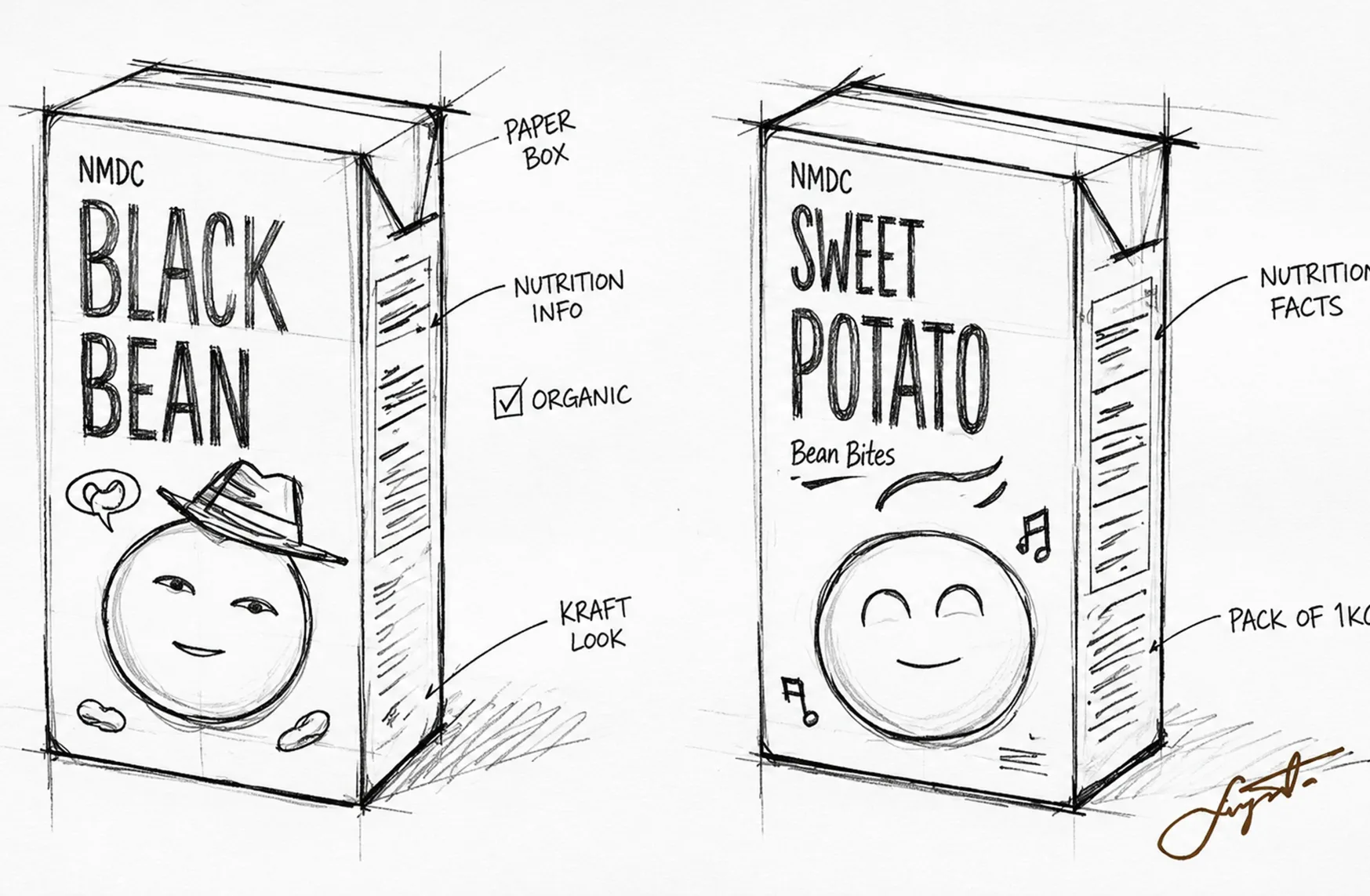
Our NMDC project combined an e-commerce platform with product structuring and customer experience. Bringing cooperative products online required thinking about how people would move through the offer, alongside the visual presentation.
Treat launch as the beginning of learning
A website brief should include what happens after publication. Who updates products and projects? Where do enquiries go? Which actions will the business review to understand whether the website is useful?
Agreeing on these responsibilities early makes the website easier to maintain. It also creates a basis for improvement. If visitors repeatedly stop before completing an important action, the team has a specific journey to examine rather than guessing at a complete redesign. A business website works best when its purpose, content, design and functionality support one another. Each decision should help customers move from initial interest towards a confident next step.