8 November 2026Growth5 min read
Why your brand should feel consistent everywhere

A customer discovers your business through a social media post. Later, they open your website, browse a brochure and speak to your team. Each interaction adds something to their understanding of the business. When those experiences fit together, the brand becomes easier to recognise and understand. When they send different messages, customers may have to work harder to decide what the business represents and whether it suits them.
Brand consistency begins with a shared direction. The visual identity matters, but so do the language, information and experience customers receive. Connecting these elements is central to Phew Interactive’s approach to strategy, branding, communication and technology.
Establish what the business wants to be known for
A brand needs a clear position before it can communicate consistently. That means understanding its audience, its offer and the reasons customers might choose it. Descriptions such as “premium,” “innovative” or “customer focused” need substance. What does premium mean in the actual experience? What changes for the customer because of the innovation? How does the business demonstrate care?
Answering these questions gives designers, writers, developers and customer-facing teams something useful to work from. It turns a broad ambition into decisions about what the business says, shows and delivers.
Translate the strategy into a usable identity
The identity makes the brand visible through its logo, typography, colours, imagery and other design elements. A useful system explains how those elements work across different applications. It should be flexible enough for a website, a small label or a presentation while retaining a recognisable character. Guidelines help teams make those adaptations without inventing a new direction every time.
Phew’s work for DK Design brought together brand strategy, identity, visual language, communication and digital presence for an architecture and interior design studio. The project shows how a defined position can guide several expressions of the same business, including the way its work is presented online.
Give the brand a consistent way of speaking
The language a business uses shapes expectations as much as its appearance. A clear, considered website followed by a vague brochure can make the offer feel less coherent, even when both use the same logo. A communication framework helps teams agree on the main messages, the tone and the evidence behind important claims. The wording can change for different channels while the meaning stays aligned.
For example, a social post may introduce one benefit briefly. A service page can explain it in detail, and a sales presentation can address the buyer’s specific questions. Each should deepen the same story rather than introduce a conflicting one.

Connect the website to the wider customer experience
A website often brings several parts of a brand together. Visitors encounter the identity, read the offer, review evidence and decide whether to take action. That makes it an important place to check alignment. Does the experience match the expectations created by the advertising? Is the product information consistent with the packaging? Does the enquiry process lead to a response that reflects the brand’s promise?
For ContainerKart, Phew’s documented work connected brand identity and positioning with an e-commerce experience and a broader digital ecosystem. The platform was structured around global B2B food trade, including discovery, sourcing, enquiries and logistics. The business context helped define what the brand needed to communicate and support.
Carry the same thinking into physical materials
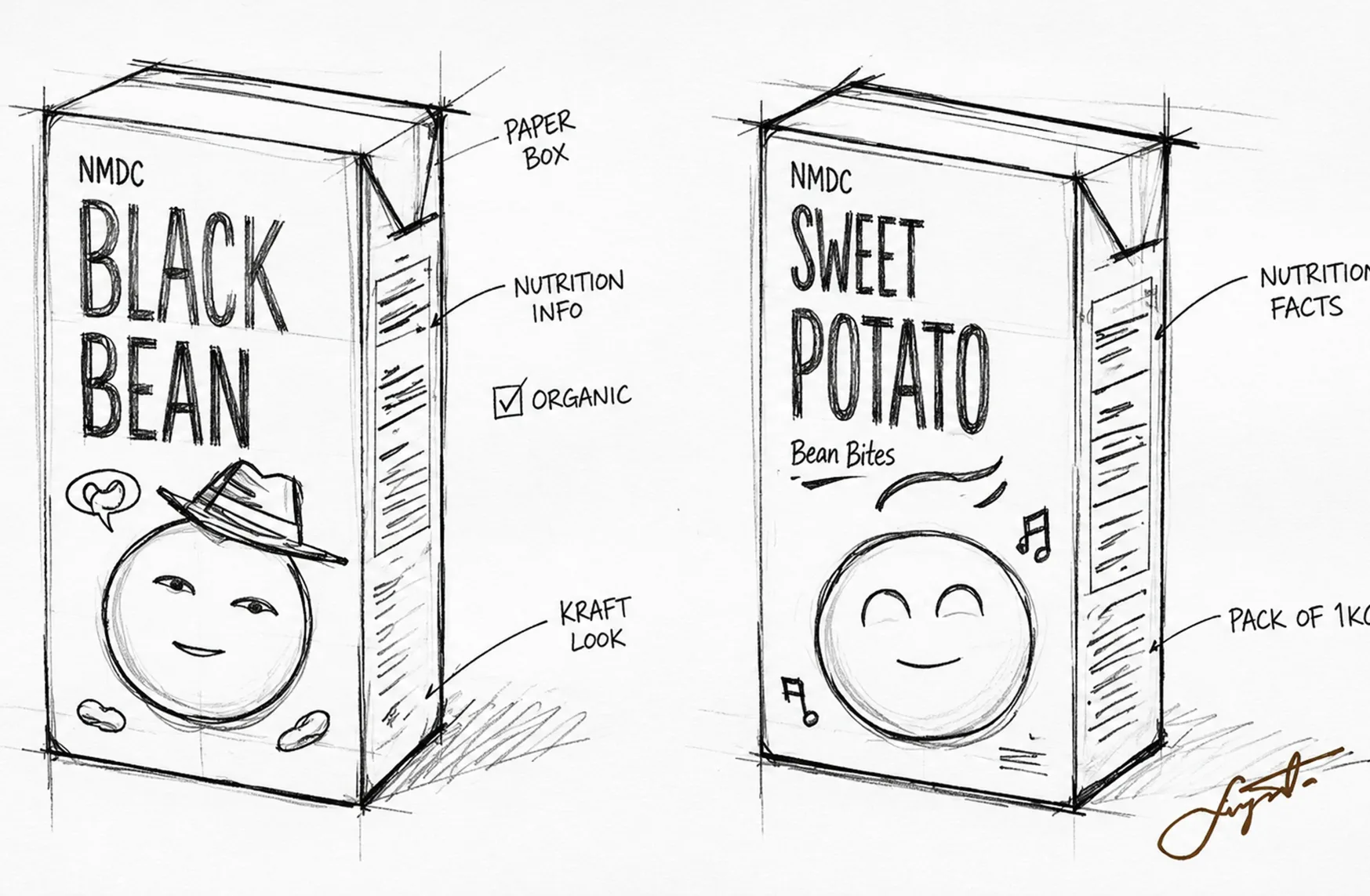
Brochures, packaging, signage and presentations continue the customer’s experience away from the screen. They deserve the same clarity and care as the digital presence. The format will influence the design. A brochure may invite a slower, more detailed reading, while packaging needs to identify a product quickly. Consistency comes from applying the same underlying identity and messages thoughtfully to those different situations.
It also includes accuracy. A change to a service, product or business detail should reach the materials where that information appears. Clear ownership of updates helps prevent outdated versions from circulating alongside current ones.
Make consistency practical for the team
A brand system is only useful when people can apply it. Teams need access to approved assets, understandable guidelines and a clear process for creating new material. Phew’s work for Decorate Blinds addressed brand identity, business structure, customer experience and positioning together. The scope reflects a wider consideration: the way a brand is presented needs support from how the business operates.
For a growing company, a practical starting point is to review its most important customer interactions. Compare the website, sales materials and communication. Identify where the message changes, where information is missing and where the experience fails to match the promise. Resolve those gaps in a clear order. A consistent brand gives the business a shared direction and customers a more coherent experience. It makes each new piece of communication part of something recognisable, rather than another isolated introduction.